
A 3-day juice cleanse means replacing most or all of your meals with fresh fruit and vegetable juices for three days. Done sensibly, it’s a short reset that boosts your fruit and veg intake, breaks a run of poor eating and rarely does any harm to a healthy adult. What it isn’t is a detox miracle, because your liver and kidneys already handle detoxing, free of charge, every day of your life.
That’s the most honest opening paragraph you’ll read on this subject. Plenty of cleanse guides promise glowing transformation; we’d rather tell you what three days of juice can actually do, who it suits, and how to do it properly if you decide it’s for you.
What a 3-day juice cleanse can actually do
Strip away the marketing and there are some real, worthwhile effects:
- A dramatic increase in fruit and vegetable intake. Most people in the UK don’t hit 5-a-day. Three days of fresh juice delivers vitamins, minerals and polyphenols in quantities your usual routine may not.
- A circuit-breaker for bad habits. A defined three days can interrupt a stretch of takeaways, snacking and sugary drinks, and many people find it easier to reset with clear rules than with vague intentions.
- Better hydration. Juice is mostly water. Three days of juice plus water usually means you’re better hydrated than usual.
- A gentler appetite. Many people come out the other side craving lighter meals. There’s no magic there, just a short break from salt, grease and refined sugar recalibrating what you fancy.
What it won’t do
- It won’t detox your organs. No juice can. The liver and kidneys do this continuously, and no evidence shows juice fasting speeds them up.
- It won’t deliver lasting weight loss on its own. You’ll likely weigh less after three days, but much of that is water and food weight that returns when you eat normally. Medical experts recommend sustainable dietary patterns centered on whole foods over a short juice fast or cleanse, and sustainable results come from everyday habits, which we cover in our smoothies for weight loss guide.
- It won’t suit hard training. Juice is low in protein, so heavy gym sessions and a strict cleanse are a poor match. Ease back for the three days or choose a gentler version.
If you want the broader picture, including longer and shorter formats, our UK juice cleanse guide is the place to start. This post is the practical, three-day version.
The realistic way to do 3 days
There are two sensible formats. Pick based on your appetite, your schedule and how your body responds.
Option 1: the full cleanse
Five to six fresh juices a day, plus plenty of water and herbal tea, and no solid meals. This is the classic format. A full cleanse usually provides about 900 to 1,000 calories a day, so expect lower energy than usual. It’s manageable for most healthy adults for three days, but the first day usually involves hunger, with headaches, fatigue, and irritability often tied to the sharp drop in calorie intake as well as caffeine withdrawal. Plan it across quieter days, not a work marathon or a family wedding.
Option 2: the juice-plus format (our honest recommendation)
Fresh, cold-pressed juices through the day, then one light, simple evening meal: a salad, some grilled fish or chicken, a vegetable soup. You keep most of the benefits, sidestep the worst of the hunger, support steadier energy, and protect your protein intake. Purists may scoff. Purists are also hungry.
A sample 3-day plan using our juices
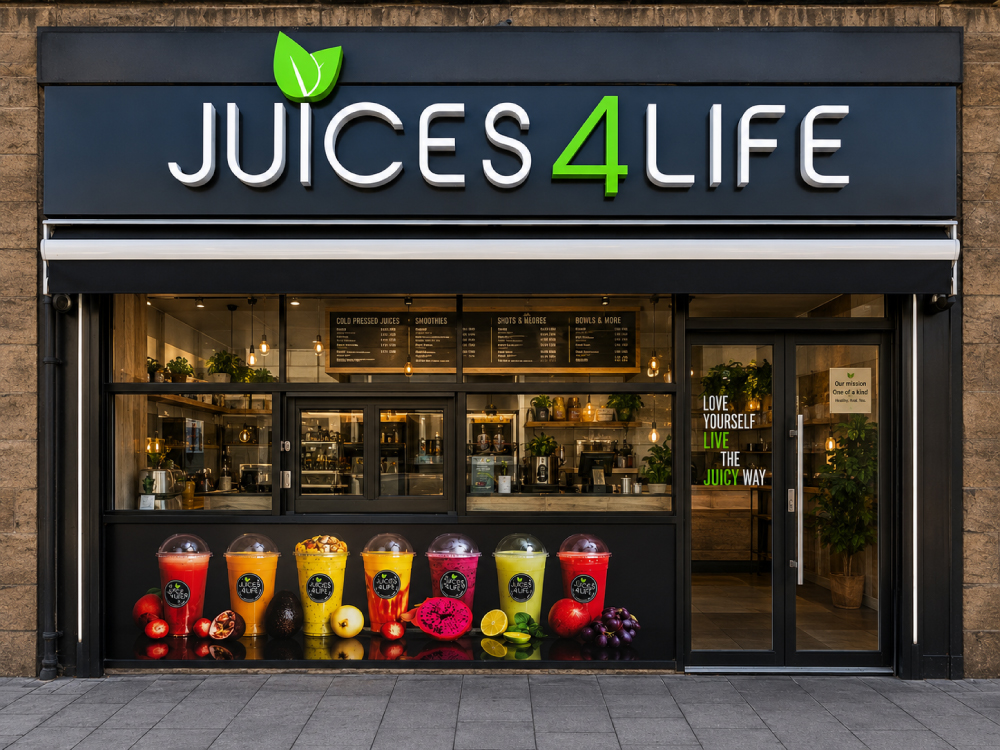
Every juice below is on the Juices4Life menu, pressed fresh when you order. Availability can shift with the seasons, so check in store.
Morning: Orange or Apple juice. The sweeter, familiar option is an easy way in, while fresh orange also brings a solid dose of vitamin C.
Mid-morning: Just Green. A proper green juice is vegetable-led and lower in sugar than fruit juices, which matters when juice is your whole day; think spinach as one of the base ingredients. On a cleanse, green juices should do the heavy lifting.
Lunch: Carrot, or the Super Cocktail if you want something fuller. Carrot juice carries beta-carotene and a natural sweetness that feels like a reward.
Mid-afternoon: Immunity or Detox. Our two wellness blends, and the obvious fit for cleanse week.
Early evening: A seasonal juice, such as Watermelon or Pomegranate when available, or Grape. Something to look forward to at the day’s end.
Option 2 followers: add your light meal here.
Rotate rather than repeat: variety spreads the nutrients and keeps you from getting bored by day two, and another blend might lean more on kale. Our guide to gut health and cold-pressed juice explains why the vegetable-led juices deserve the biggest share.
Before, during and after
Before: ease in for 48 hours. Gradually reduce caffeine and alcohol, cut back on heavy food, and drink more water. The step down makes day one far friendlier.
During: drink water constantly, keep activity light (walks yes, deadlifts no), and expect day one to be the hardest. Mild headaches and irritability are common and usually pass. Anything worse than mild, stop and eat; there are no medals for pushing through.
After: this part decides whether the whole exercise was worth it. Break the cleanse gently with light meals and simple foods, and avoid heavy meats and processed carbs for the first two days. Then keep one or two habits: a daily fresh juice, more vegetables, fewer sugary drinks, and less processed foods. Track food intake as you reintroduce meals so potential intolerances are easier to spot. A cleanse that changes nothing afterwards was just an expensive, hungry weekend.
What to expect, day by day
Knowing what’s coming makes the difference between finishing and giving up at lunchtime on day one.
Day one is the test. Hunger arrives mid-morning, a caffeine headache follows if you didn’t taper, and by evening you’ll be opening cupboards out of habit rather than need. This is all normal. Drink water, go for a walk, go to bed early. Nobody enjoys day one.
Day two is the surprise. Most people report the hunger quietens noticeably. The headache has usually gone, and there’s often a stretch of the afternoon where you feel lighter and clearer than expected. Don’t read too much into that (it’s as likely to be the absence of heavy food as any special effect of the juice), but enjoy it.
Day three is the lap of honour. By now the routine feels normal and the finish line does most of the motivating. The common mistake is celebrating that evening with a takeaway, which undoes the gentle landing your digestion was hoping for. Plan a light, pleasant dinner for the day after instead.
If at any point you feel properly unwell rather than just hungry (dizzy, shaky, foggy), eat something sensible and call it. A cleanse is meant to be a reset, not an endurance event.
Can you exercise during the three days?
Gently, yes. Walking, stretching, easy cycling and yoga all sit comfortably alongside a juice-only intake, especially when you fit light movement around your daily routine, and a daily walk helps with both the restlessness and the sleep. What doesn’t fit is anything demanding: heavy lifting, long runs, HIIT classes. Juice supplies quick carbohydrate but very little protein, and training hard without protein is asking your body to dismantle muscle you presumably wanted to keep.
If your training schedule is sacred, choose the juice-plus format and put your protein-containing meal after your session, timed within your daily schedule. Or simply schedule the cleanse for a rest week. The gym will still be there on day four, and the first workout after a cleanse feels tremendous.
Who shouldn’t do a juice cleanse
Skip the cleanse entirely, or speak to your GP first, if you are pregnant or breastfeeding, under 18, managing diabetes or blood sugar conditions, taking medication affected by diet, or have any history of eating disorders, for whom restrictive plans can do real harm. This is standard guidance, not small print. Three days of juice is optional; your health isn’t.
Your prep checklist
A cleanse succeeds or fails in the planning. Run through this list before day one:
- Pick your three days deliberately. A quiet Friday to Sunday works for most people. Avoid weeks with big meals out, heavy deadlines or long drives.
- Taper your caffeine two days out. Halve your usual coffees, then switch to tea. Your day-one self will be grateful.
- Plan every juice in advance. Decide your five or six drinks per day before you start. If you’re making them yourself, make sure your juicer is ready so you can control the ingredients. Decisions made while hungry favour the sweetest option, which defeats the point of leaning on the green juices.
- Stock the extras. Herbal teas, sparkling water and a lemon for hot water in the mornings give you variety when the routine feels thin, and it helps to skip dairy while you’re on the cleanse.
- Plan day four’s meals. Light soup, salad, some protein. Write it down before the cleanse starts, because your post-cleanse appetite will lobby hard for a takeaway.
- Tell someone. Housemates and partners who know what you’re doing are less likely to cook something glorious in front of you on day two.
Where to get your juices
We don’t sell a boxed cleanse programme, and that’s deliberate. Bottled cleanse packages are pasteurised or pressure-treated to survive delivery. Ours never need to be, because every juice is pressed fresh in front of you. Even only three days of a juice-only approach can disrupt the gut microbiome and negatively alter oral bacteria linked to inflammation. Call into your local branch each morning and pick your day’s line-up, or grab the day in one visit.
You’ll find us across Birmingham, Manchester, Derby, Leicester and Coventry. Manchester locals, our Stockport Road store is your cleanse HQ. Everyone else can find their nearest branch on the stores page.
Frequently asked questions
How much weight will I lose on a 3-day juice cleanse?
Typically a kilo or two—around 3–6 pounds if your goal is to lose weight—but most of it is water and food weight rather than fat, and some returns when you resume normal eating. Treat any loss as a bonus, not the goal.
Can I drink coffee during a juice cleanse?
Strict cleanses say no. Realistic ones say a plain black coffee is better than three days of withdrawal headaches. If you drop caffeine, taper before you start.
Will I be hungry?
On the full format, yes, especially day one, and you may feel hungry because you are consuming far fewer calories than usual. It fades noticeably by day three. The juice-plus format, with one light evening meal, removes most of the struggle.
Is a 3-day juice cleanse safe?
For most healthy adults, three days is short enough to be safe. It’s not suitable during pregnancy, for people managing diabetes, or for anyone with a history of disordered eating. Check with your GP if you’re unsure.
How often can I do one?
There’s no evidence more is better. Frequent or repeated cleanses aren’t risk-free, since they can disrupt gut bacteria and the digestive system. Because juice removes much of the fiber, blood glucose can become less stable and inflammatory markers may rise in some people. Once a season is plenty as a reset. Daily habits beat quarterly heroics every time.
The realistic verdict
A 3-day juice cleanse can be a kick start, not a cure. It floods you with fresh fruit and vegetables, helping preserve vital nutrients, interrupts bad habits and often leaves you motivated to eat better as one small step in a wider health journey, and those are worthwhile health benefits as long as you know that’s what you’re buying. Do it the sensible way: fresh juices, plenty of water, no heroics, and a plan for day four.
Ready to build your three days? Drop into your nearest Juices4Life store and the team will help you pick your line-up; our juices are also gluten-free, and if you have any further questions, just ask.