

Curious about the benefits of cold juice for your gut health? Cold juices are packed with nutrients that can help balance your gut microbiome and improve digestion. In this article, we explore how cold juice can support your digestive system, key ingredients to look for, and easy recipes to try at home.
Key Takeaways
- Cold juice is beneficial for gut health as it provides essential nutrients, supports digestion, and helps maintain a balanced microbiome.
- Incorporating nutrient-rich ingredients like leafy greens, berries, ginger, and fermented elements into cold juices enhances their gut health benefits.
- While cold juices have advantages, they should be balanced with whole foods to avoid excessive sugar intake and ensure adequate fiber consumption.
Introduction to Gut Health
Gut health is all about the condition and function of your digestive tract, which plays a central role in keeping your whole body healthy. At the heart of gut health is the gut microbiome—a diverse community of trillions of bacteria, viruses, and fungi living in your digestive system. These gut microbes are essential for breaking down food, absorbing nutrients, and supporting your immune system.
A healthy gut microbiome helps maintain a strong immune system and protects against poor gut health, which can contribute to a range of health conditions, including inflammatory bowel diseases. When the balance of gut bacteria is disrupted, it can lead to digestive discomfort, nutrient deficiencies, and even impact your mental health and overall well-being.
Many factors influence the health of your gut, from the foods you eat to your daily habits and environment. Prioritizing gut health is key to preventing issues like inflammatory bowel diseases and supporting a healthy body. If you’re unsure about your gut health or experiencing ongoing digestive issues, consulting a gut health doctor can provide personalized guidance to help you maintain a healthy gut microbiome and improve your overall health.
The Benefits of Cold Juice for Gut Health

Our gut microbiome is a bustling community of gut microbes, bacteria, viruses, and fungi that play a crucial role in digestion, nutrient absorption, and immune system support. When this delicate balance is disrupted—a condition known as dysbiosis—our health can suffer, potentially leading to an unhealthy gut. Many factors like inflammation and metabolic dysfunction can contribute to this imbalance, leading to a loss of beneficial bacteria and healthy bacteria and the proliferation of bad bacteria. The human gut microbiota is essential for maintaining this balance within the medical community, including the role of bacteria in the gut and inflammatory bowel disease.
Cold juice, packed with essential nutrients and beneficial compounds, can help restore and maintain a healthy gut microbiome. These juices offer a range of vitamins, minerals, and antioxidants that support the growth of beneficial bacteria, aiding digestion and nutrient absorption. A healthy gut microbiome is not only important for digestive health but also impacts our overall well-being, influencing everything from our immune system to our mental health. The gut microbiome important for digestion, nutrient absorption, and immune support cannot be overstated, as it plays a vital role in keeping our bodies functioning optimally. Maintaining a healthy gut microbiome can positively influence whole body health, extending benefits beyond just digestion. Over the past few decades, scientific discoveries and increased research efforts have greatly expanded our understanding of the gut microbiota and its impact on health.
Adding cold juices to your diet is a simple yet effective way to improve gut health and promote good gut health. These beverages can help reduce digestive discomfort, support the immune system, and even positively affect mental clarity by fostering a balanced and thriving gut microbiota.
So, whether you’re dealing with poor gut health or just looking to optimize your digestive system, cold juice can be a powerful ally in your wellness journey.
Nutrient-Rich Ingredients for Cold Juices
When it comes to creating cold juices that support gut health, the choice of ingredients is paramount. Leafy greens like spinach and kale are excellent choices due to their high fiber content, which aids digestion and supports a healthy gut microbiome. Undigested fiber passes into the large intestine, where beneficial gut bacteria ferment it. This fermentation process produces short chain fatty acids, which help improve blood lipid profiles, reduce inflammation, and support beneficial microbes. Berries, particularly blueberries and strawberries, are packed with antioxidants that combat inflammation in the gut, promoting a balanced microbial environment.
Ginger is another powerful ingredient with anti-inflammatory properties that can soothe the digestive system and support overall gut health. Beetroot, rich in nitrates, not only improves blood flow but also benefits the gut microbiota. These ingredients, when combined in cold juices, create a nutrient-dense beverage that can significantly enhance your digestive health, GI tract, and overall well-being.
Incorporating a diverse range of plant foods into your juices not only boosts their nutritional content but also supports a plant-rich diet that is beneficial for gut health. Choosing ingredients rich in fiber, antioxidants, and anti-inflammatory compounds allows you to create delicious, gut-friendly juices that enhance nutrient absorption and maintain a healthy digestive system, including foods rich in these beneficial properties.
Factors Affecting Gut Health
Your gut health is shaped by a variety of factors, many of which are within your control. Diet is one of the most significant influences—consuming a diet high in processed foods and low in dietary fibre can disrupt the balance of gut bacteria, leading to poor gut health. On the other hand, a healthy diet rich in plant foods, whole grains, and fermented foods encourages the growth of beneficial bacteria, supporting a healthy gut microbiome.
Lifestyle factors such as stress levels and sleep also play a crucial role. Chronic stress can negatively impact your gut, while stress reduction techniques like meditation, yoga, or even simple breathing exercises can positively affect your gut microbiome by reducing inflammation and supporting the growth of good bacteria. Getting enough sleep is equally important, as sleep disturbances can upset the healthy balance of gut bacteria and increase the risk of health conditions, including bowel cancer.
Practicing good hygiene helps protect your gut from harmful bacteria, further supporting a healthy gut. By focusing on a combination of a healthy diet, stress reduction, enough sleep, and other positive lifestyle factors, you can help maintain a healthy gut microbiome and reduce your risk of poor gut health. Making these changes not only benefits your digestive system but also supports your overall health and well-being.
Fermented Cold Juices: A Probiotic Powerhouse

Fermented cold juices are a fantastic way to boost your intake of probiotics, which are essential for maintaining a healthy gut microbiome. These juices, often made with ingredients like kefir or sauerkraut, are rich in digestive enzymes and beneficial bacteria that can significantly improve gut health. The fermentation process enhances the absorption of nutrients, making these juices a potent addition to your diet. Probiotic supplements are also available in various forms, such as capsules and sachets, and can be used alongside fermented juices to further support gut health. Synbiotics, which combine prebiotics and probiotics, are often available in supplement form, such as capsules or sachets.
Probiotic fruit juices have been shown to combat gastrointestinal discomfort and support overall digestive health. The live probiotics present in these juices help diversify the gut microbiota, promoting the growth of beneficial gut bacteria and inhibiting harmful bacteria. This increased diversity is crucial for a healthy microbiome and can lead to improved digestive function and nutrient absorption.
Incorporating fermented foods into your diet through cold juices is a convenient and delicious way to boost your gut health. These probiotic powerhouses can help improve digestive health, reduce inflammation, and support a healthy immune system. As more research suggests, the benefits of probiotics for gut health are profound, making fermented cold juices an excellent choice for anyone looking to improve their digestive well-being.
Cold Juice Recipes for a Healthy Gut
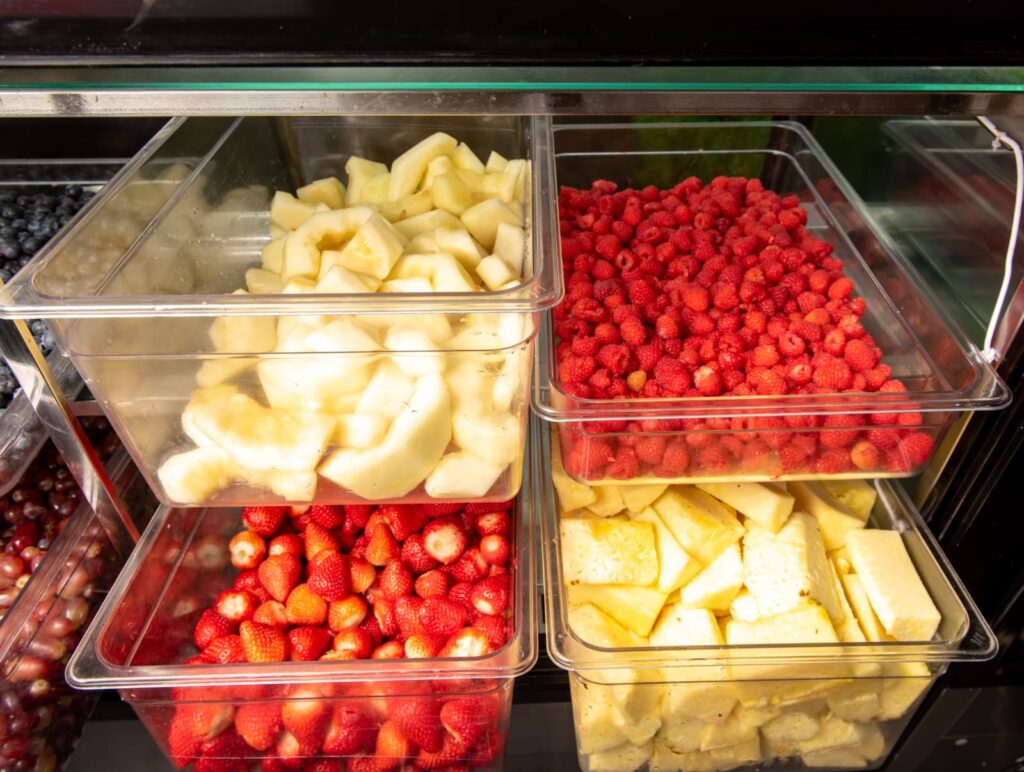
Creating your own cold juices at home allows you to tailor them to your specific gut health needs. One popular recipe is the anti-inflammatory juice, which combines:
- pineapple
- green apple
- ginger
- lemon
This blend not only tastes refreshing but also provides numerous health benefits, including reducing inflammation and supporting the immune system.
To prepare this juice, blend pineapple, green apple, spinach, cucumber, celery, lemon, and ginger, then press them using a juice extractor for the best results. This juice yields approximately 12 ounces and contains about 85 calories, although this can vary based on the produce used. The high vitamin C content in this juice helps lower blood sugar and pressure while supporting immune health.
Incorporating such recipes into your diet can significantly benefit your gut health by providing a blend of beneficial nutrients and reducing digestive discomfort. These juices are not only delicious but also a powerful tool for maintaining a healthy gut microbiome and overall digestive health.
How Cold Juice Supports Digestive Enzymes
Digestive enzymes play a crucial role in breaking down food into smaller molecules that the body can absorb nutrients. Cold-pressed juices are particularly beneficial as they retain essential enzymes that are vital for this process, enhancing digestive health more effectively than other juicing methods. Consuming cold juices stimulates the production of natural digestive enzymes, aiding the overall digestive process.
Certain fruits are especially rich in digestive enzymes. For instance, pineapple and papaya contain enzymes that enhance digestion, while mango and banana provide amylase and glucosidases that help digest complex carbohydrates. Including these fruits in your cold juices can support your digestive system and improve nutrient absorption.
Cold juices ensure these beneficial enzymes are retained and active due to the cold-pressing process. This makes cold juice a powerful ally in supporting your digestive health and reducing digestive discomfort.
Hydration and Gut Health: Why Cold Juice Matters

Hydration is a key factor in maintaining a healthy gut. Staying well-hydrated supports essential bodily functions, including digestion and metabolism. Cold juices, particularly those made with high-water-content ingredients like cucumbers, can significantly promote hydration, which is crucial for a healthy digestive tract.
Hydration helps the body eliminate toxins, an essential process for maintaining gut health. Cold water can enhance hydration efficiency during physical activity, making it beneficial for gut health. Drinking water at cooler temperatures may also increase consumption, promoting better hydration.
Incorporating cold juices into your diet can be an effective way to stay hydrated and support overall digestive health. These juices can help maintain a healthy gut microbiome and reduce digestive discomfort, contributing to better overall health and well-being.
Cold Juice vs. Smoothies: Which is Better for Your Gut?
When it comes to gut health, both cold juices and smoothies have their benefits and drawbacks:
- Cold juices may lead to quick spikes in blood sugar levels due to their concentrated sugars.
- Smoothies provide a more stable energy release thanks to their fiber content.
- Juices made primarily from fruits are often significantly higher in sugar than vegetable-based juices.
Many people rely on convenience foods, which are typically high in salt, sugar, fat, and additives. Choosing cold juices or smoothies made from whole ingredients is a healthier alternative to these processed options.
Smoothies, on the other hand, retain all the fiber from their ingredients, which aids in digestion and promotes satiety, helping you feel full longer. This fiber content is crucial for maintaining a healthy gut microbiota and supporting overall digestive health. It’s advisable to pair cold juices with proteins, healthy fats, and whole grains to ensure comprehensive nutrition.
Ultimately, both cold juices and smoothies can be part of a gut-healthy diet when eating healthily. The key is to maintain a healthy balance in their consumption with other nutrient-dense foods to ensure you get the benefits of both without the drawbacks.
Potential Downsides of Cold Juice
While cold juices offer numerous benefits, there are potential downsides to consider. A diet high in sugars and low in fiber, often seen with juicing, is associated with chronic health issues like obesity, diabetes, and insulin resistance. Excessive sugar consumption from juices can promote the growth of harmful bacteria that cause inflammation. Overconsumption of cold juice can sometimes lead to symptoms like an upset stomach, especially in those with sensitive digestion.
Key points about juicing include:
- Juicing lacks insoluble fiber, which is important for maintaining a healthy gut microbiota.
- It is important to balance juice consumption with whole foods to ensure adequate fiber intake, as juices typically lack this essential nutrient.
- Monitoring portion sizes and sugar content in cold juices is crucial to prevent excessive calorie intake and manage blood sugar levels.
If you have a health condition or compromised immunity, consult a healthcare professional before making significant dietary changes or using probiotic supplements.
When including cold juice in your meals, aim for low-sugar options to avoid unnecessary calorie intake and maintain overall nutrition. By being mindful of these potential downsides, you can enjoy the benefits of cold juices without compromising your health.
Incorporating Cold Juice into a Balanced Diet
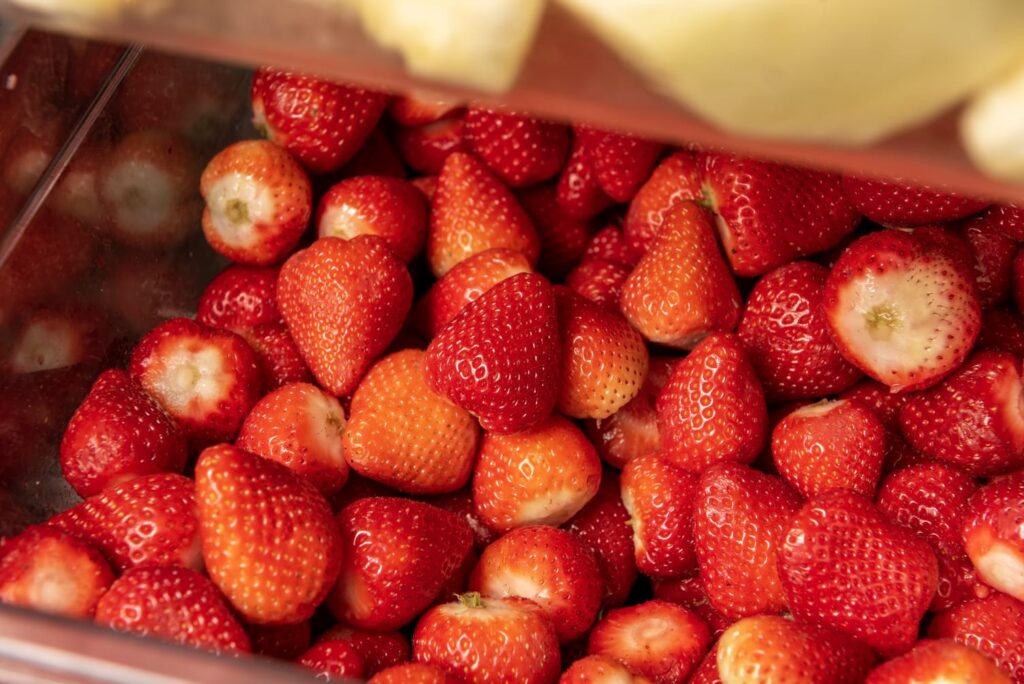
Integrating cold juices into your diet can:
- Enhance your fruit and vegetable intake, helping you meet daily nutritional needs more easily.
- Serve as a nutritious snack or complement meals, making it easier to consume essential vitamins and minerals throughout the day.
- When combined with whole foods, help mitigate negative effects on microbial balance.
Adding prebiotics to fermented juices supports the survival and activity of probiotics within the gut. The juicing process typically removes up to 90% of dietary fibre, which is crucial for digestive health. Excessive fruit juice consumption can lead to an increased risk of metabolic syndrome and obesity.
Using juices as meal replacements can result in inadequate intake of protein and healthy fats, essential for balanced nutrition. For a balanced diet, include cold juices alongside whole foods, proteins, and healthy fats.
Expert Tips for Making the Best Cold Juices
To ensure the best flavor and nutrient content for cold-pressed juices:
- Choose fruits and vegetables that are fresh and in season.
- Use a cold press juicer to retain more nutrients compared to blending, which introduces heat and degrades them.
- Use a hydraulic press for juicing to minimize heat exposure, helping retain more nutrients and enzymes compared to traditional juicing methods.
Cold-pressed juice can be stored in the refrigerator for up to 5 days, depending on the type of juicer used and the freshness of the ingredients. Homemade cold-pressed juices allow for better control over ingredients, ensuring freshness and personalized nutritional value.
These expert tips will help you craft delicious and nutritious cold juices that enhance your gut health and overall well-being.
Summary
Throughout this guide, we’ve explored the numerous benefits of cold juice for gut health. From understanding the importance of a healthy gut microbiome to discovering nutrient-rich ingredients and probiotic powerhouses, we’ve seen how cold juices can play a vital role in maintaining and improving digestive health. The recipes and expert tips provided offer practical ways to incorporate these beneficial beverages into your daily routine.
By integrating cold juices into a balanced diet, you can enhance nutrient absorption, support hydration, and promote a healthy digestive system. Remember to balance juice consumption with whole foods to ensure adequate fiber intake and overall nutrition. Start your journey to better gut health today with the power of cold juice.
Frequently Asked Questions
What is the 80 20 rule for juice?
The 80/20 rule for juice suggests that your juice should consist of 80% vegetables and 20% fruit to minimize sugar content. Adhering to this guideline promotes a healthier beverage choice.
Is cold juice healthy?
Cold juice, particularly cold-pressed varieties, is healthy as it retains more vitamins and minerals compared to regular juices. Thus, it serves as an excellent source of essential nutrients.
Which juice is best in cold?
Orange juice and other citrus juices are considered the best when cold, as they are rich in vitamin C, which supports immune health and may help prevent infections such as the common cold or flu.
What are the benefits of cold juice for gut health?
Cold juice offers essential nutrients and beneficial compounds that promote a healthy gut microbiome, which in turn aids digestion, nutrient absorption, and immune function.
What ingredients should I use in cold juices for gut health?
For optimal gut health in cold juices, consider using leafy greens, berries, ginger, and beetroot, as they are rich in fiber, antioxidants, and have anti-inflammatory properties.