

Fresh juice consumption has transformed from a niche health practice into a mainstream wellness strategy, but separating marketing claims from scientific evidence reveals surprising truths about juice benefits. Research demonstrates that 100% fruit juice provides bioavailable micronutrients and plant bioactives at levels similar to whole fruits, with some compounds actually showing superior absorption from juice compared to eating whole fruit.
This comprehensive guide explores the science-backed health benefits of fresh juice, compares different juicing methods, and provides practical strategies for incorporating juices and smoothies into your daily routine. Whether you’re considering your first juicer purchase or looking to optimize your current juicing practice, understanding the evidence behind juice benefits will help you make informed decisions about this powerful tool for health optimization.
Essential Health Benefits of Fresh Juice
Fresh juice delivers concentrated nutrients in a form that your body can rapidly absorb and utilize. When you drink fresh juice, you’re consuming vitamins, minerals, and antioxidants that support multiple body systems simultaneously.
Concentrated Vitamin and Mineral Absorption
Fresh juice provides nutrients in their most bioavailable form. Research involving healthy adults who consumed 236 mL of orange juice three times daily showed remarkable increases in key nutrients: vitamin C levels increased by 59%, folate levels by 46%, and carotenoids by 22%. These dramatic improvements occurred within just three weeks of regular consumption.
The vitamin C content varies significantly among different juices. Orange juice provides approximately 70mg of vitamin C per cup, while grapefruit juice delivers 78mg, and lemon juice contains 51mg. This concentrated vitamin delivery supports your immune system more efficiently than many supplement forms, as the natural cofactors in fresh fruits enhance absorption.
Antioxidant Power for Disease Prevention
Pomegranate juice stands out for its exceptional antioxidant content, containing more antioxidants than red wine or green tea. The polyphenols in pomegranate juice have been linked to reduced inflammation and improved cardiovascular health. Similarly, cranberry juice provides unique proanthocyanidins that support urinary tract health and may help prevent urinary tract infections.
Dark leafy greens like kale and spinach, when juiced, concentrate powerful antioxidants including lutein and zeaxanthin. These compounds support eye health and may reduce the risk of age-related macular degeneration. The antioxidant power of these vegetables becomes more accessible through juicing, as the process breaks down cell walls and releases nutrients that might otherwise pass through your digestive system unabsorbed.
Cardiovascular Health and Blood Pressure Support
One of the most significant juice benefits involves cardiovascular health. Research shows that regular fruit juice consumption, even up to 500 mL per day in short-to-medium-term studies, appears to improve vascular function and reduce blood pressure. This effect occurs through multiple mechanisms, including increased nitric oxide production.
Beet juice deserves special attention for cardiovascular health. Studies demonstrate that beet juice consumption increases plasma and urine nitric oxide by 244% and 450% respectively. Nitric oxide acts as a natural vasodilator, helping blood vessels relax and improving circulation throughout your body. This effect can provide benefits for both athletic performance and general cardiovascular health.
Digestive Health and Microbiome Benefits
Fresh vegetable juices, particularly those containing cucumber, celery, and ginger, support digestive health through multiple pathways. Cucumber juice provides natural hydration and electrolytes, while celery juice contains compounds that may support liver function. Ginger adds powerful anti-inflammatory properties and can help reduce nausea and improve digestion.
Research reveals that even short-term juice consumption significantly alters intestinal bacterial composition. A three-day juice intervention increased beneficial Bacteroides species while decreasing potentially harmful Firmicutes and Proteobacteria. These bacterial changes are associated with improved metabolic health, as Bacteroides species help ferment fiber and produce beneficial short-chain fatty acids.
Cold-Pressed vs. Blended Juice: Which Method Preserves More Nutrients
Understanding the differences between cold-pressed juices and blended juice helps you choose the method that best meets your health goals and lifestyle needs.
Nutrient Retention Comparison
Cold-pressed juicers use hydraulic pressure to extract juice without generating heat, preserving heat-sensitive vitamins and enzymes that can be damaged by the high-speed blades of centrifugal juicers. This process typically retains more vitamin C, B vitamins, and delicate antioxidants compared to conventional juicing methods.
However, the difference isn’t as dramatic as marketing often suggests. While cold pressed juices retain slightly more nutrients initially, the practical difference diminishes when you consider storage time and consumption patterns. Fresh juice from any method provides significantly more nutrients than juice that has been stored for several days.
Fiber Content and Satiety Differences
The most significant difference between juicing and blending involves fiber content. Juicing removes most fiber, concentrating nutrients but eliminating the satiety and digestive benefits that fiber provides. A whole fruit typically contains 3-4g of fiber per serving, while juice contains only 0.5g.
Blended drinks and smoothies retain all the fiber from whole fruits and vegetables, providing sustained energy and helping regulate blood sugar levels. This fiber content means smoothies generally keep you feeling full longer than juice, making them better options for meal replacement or weight management.
Cost and Practical Considerations
Cold-pressed juicers typically cost $200-800, while high-quality blenders range from $100-600. Cold-pressed juicers require more produce to create the same volume of liquid, increasing the ongoing cost per serving. However, they produce juice with a smoother texture and longer shelf life.
Centrifugal juicers cost $50-300 and work faster than cold-pressed options, making them more practical for daily use. The juice quality is slightly lower, but for most people, the convenience factor outweighs the minimal nutritional differences.
Storage Time Differences
Cold pressed juices maintain their nutritional quality for 24-72 hours when properly refrigerated, while juice from centrifugal juicers should be consumed immediately for optimal nutrient retention. Blended smoothies are best consumed within 24 hours, as the fiber content can cause separation and texture changes over time.
Top 5 Post-Workout Smoothie Recipes for Recovery and Energy
Post-workout nutrition plays a crucial role in muscle recovery and energy replenishment. These smoothie recipes combine protein, carbohydrates, and anti-inflammatory compounds to optimize your recovery process.
1. Protein-Packed Berry Banana Smoothie
Ingredients:
- 1 cup mixed berries (strawberries, blueberry, raspberries)
- 1 banana
- 1 cup Greek yogurt
- 1 handful fresh spinach
- 1 tablespoon chia seeds
- 1 cup coconut water
Prep time: 3 minutes
This smoothie provides complete proteins from Greek yogurt, potassium from banana for electrolyte replenishment, and antioxidants from berries to reduce exercise-induced inflammation. The spinach adds iron and folate without affecting the taste, while chia seeds provide omega-3 fatty acids for additional anti-inflammatory benefits.
2. Green Recovery Smoothie
Ingredients:
- 2 cups fresh kale (stems removed)
- 1 cup fresh pineapple chunks
- 1 cup coconut water
- 1 tablespoon chia seeds
- 1 inch fresh ginger
- Juice of 1 lime
Prep time: 4 minutes
Kale provides vitamin K for bone health and iron for oxygen transport, while fresh pineapple contains bromelain, an enzyme that may help reduce muscle soreness. The coconut water replenishes electrolytes naturally, and ginger adds anti-inflammatory compounds to support recovery.
3. Chocolate Peanut Butter Power Smoothie
Ingredients:
- 1 banana
- 2 tablespoons natural peanut butter
- 1 tablespoon cocoa powder
- 1/4 cup rolled oats
- 1 scoop plant protein powder
- 1 cup almond milk
- 1 tablespoon hemp hearts
Prep time: 3 minutes
This smoothie tastes like a dessert but delivers serious nutrition. The combination of peanut butter and protein powder provides complete amino acids for muscle repair, while oats offer complex carbohydrates for sustained energy. Hemp hearts add additional protein and healthy fats.
4. Anti-Inflammatory Tart Cherry Smoothie
Ingredients:
- 1 cup tart cherry juice (100% juice, no added sugar)
- 1 banana
- 1/2 cup Greek yogurt
- 1 teaspoon fresh ginger
- 1/2 teaspoon turmeric
- 1 tablespoon honey
- 1/2 cup ice
Prep time: 3 minutes
Tart cherries contain natural compounds that may help reduce muscle soreness and improve sleep quality. Combined with turmeric and ginger, this smoothie provides powerful anti-inflammatory benefits. The banana adds natural sweetness and potassium for muscle function.
5. Tropical Mango Coconut Smoothie
Ingredients:
- 1 cup frozen mango chunks
- 1/2 cup coconut milk
- 1 banana
- 2 tablespoons hemp hearts
- Juice of 1 lime
- 1 cup coconut water
- 1 handful spinach
Prep time: 3 minutes
Mango provides vitamin A and vitamin C for immune support, while coconut milk offers medium-chain triglycerides for quick energy. The tropical flavors mask the taste of spinach, allowing you to boost your mineral intake without compromising on taste.
Best Detoxification Juices for Natural Cleansing
While your liver and kidneys naturally detoxify your body, certain juices can support these processes by providing specific nutrients and compounds that enhance natural detoxification pathways.
Lemon Ginger Detox Juice for Liver Support
Recipe:
- 2 lemons (juiced)
- 1 inch fresh ginger
- 1 cucumber
- 2 celery stalks
- 1 green apple
This combination supports liver function through multiple mechanisms. Lemon provides vitamin C and citric acid, which may enhance the liver’s production of glutathione, a powerful antioxidant. Ginger stimulates digestion and has anti-inflammatory properties, while cucumber provides hydration and natural electrolytes.
Consume this juice first thing in the morning on an empty stomach for optimal absorption. The vitamin C content helps your body produce collagen and supports immune function, while the natural enzymes in fresh ginger aid digestion throughout the day.
Green Vegetable Juice for Kidney Cleansing
Recipe:
- 3 celery stalks
- 1 cucumber
- 1 handful fresh parsley
- 2 green apples
- 1 lemon (juiced)
- 1 inch fresh ginger
Parsley acts as a natural diuretic and provides vitamin K, while celery contains compounds that may support kidney function. The apples add natural sweetness and fiber precursors, making this juice more palatable while providing additional antioxidants.
This green juice provides potassium, which helps regulate fluid balance and supports kidney health. The natural diuretic effect of parsley can help reduce bloating and support the elimination of excess water weight.
Beet Carrot Juice for Blood Purification
Recipe:
- 2 medium carrots
- 1 small beetroot (with greens if available)
- 1 apple
- 1 inch fresh ginger
- 1/2 lemon (juiced)
Beetroot contains nitrates that convert to nitric oxide in your body, supporting cardiovascular health and potentially enhancing athletic performance. Carrots provide beta-carotene, which converts to vitamin A and supports liver detoxification pathways.
The natural sugars in this juice provide energy while the antioxidants support cellular health. Beet greens, if available, add additional minerals and can boost the nutritional value of this already powerful combination.
Dandelion Green Juice for Natural Diuretic Effects
Recipe:
- 1 handful dandelion greens
- 2 green apples
- 1 cucumber
- 1 lemon (juiced)
- 1 inch fresh ginger
Dandelion greens have been traditionally used to support kidney and liver function. They provide potassium, vitamin A, and compounds that may have mild diuretic effects. The apples balance the bitter taste of dandelion while providing additional antioxidants.
Timing and Duration Recommendations
For optimal benefits, consume detox juices in the morning before eating solid food. This allows your digestive system to focus on processing and absorbing the concentrated nutrients. Most people benefit from incorporating one detox juice per day for 3-7 days, rather than attempting longer juice cleanses.
Remember that sustainable detoxification comes from supporting your body’s natural processes, not from extreme dietary restrictions. These juices work best as part of a balanced diet that includes plenty of water, whole foods, and adequate fiber.
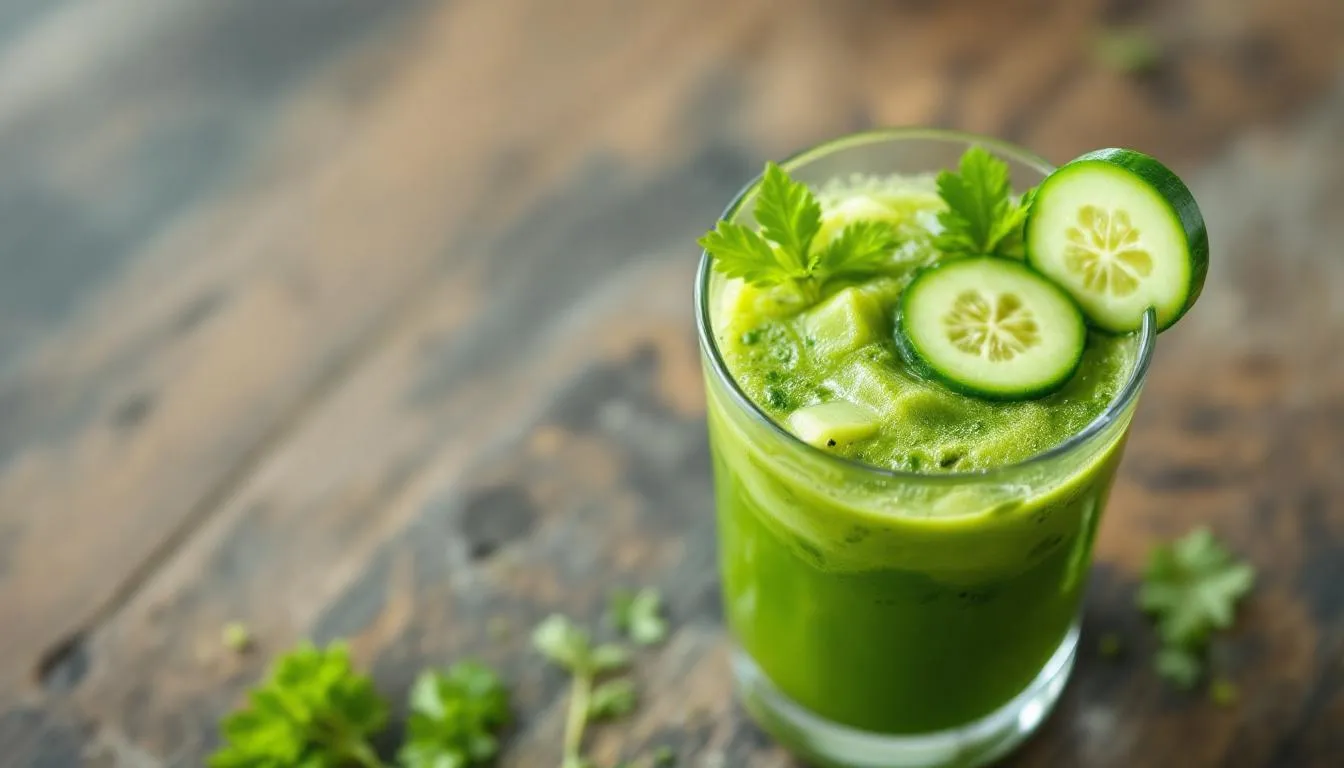
The Power of Kale and Other Superfood Ingredients
Certain ingredients stand out for their exceptional nutrient density and health-promoting compounds. Understanding how to use these superfoods effectively can maximize the juice benefits you receive from your daily drinks.
Kale: The Nutritional Powerhouse
Kale contains more vitamin K than almost any other food, with one cup providing over 600% of the daily recommended value. This vitamin is essential for bone health and blood clotting. Kale also provides significant amounts of iron, calcium, and vitamin C – more vitamin C per ounce than oranges.
The challenge with kale lies in its naturally bitter taste. Balance this by combining kale with sweet fruits like apple, pineapple, or pear. A 2:1 ratio of sweet fruit to kale typically masks the bitterness while preserving the nutritional benefits. Fresh pineapple works particularly well because its natural enzymes help break down some of the compounds that contribute to kale’s bitter taste.
When juicing kale, remove the thick stems as they can be tough on your juicer and add excessive bitterness. The leaves contain the highest concentration of nutrients and blend more smoothly into your juice.
Spirulina: Complete Protein from Algae
Spirulina contains all essential amino acids, making it a complete protein source. Just one tablespoon provides 4 grams of protein along with vitamin B12, iron, and chlorophyll. The chlorophyll content gives spirulina its distinctive blue-green color and may help support liver detoxification.
Start with 1/4 teaspoon of spirulina in smoothies, as the taste can be quite strong. Tropical fruits like mango and pineapple pair well with spirulina, masking its oceanic flavor while providing vitamin C to enhance iron absorption.
Turmeric: Anti-Inflammatory Gold
Turmeric contains curcumin, a compound with powerful anti-inflammatory properties. However, curcumin is poorly absorbed on its own. Enhance absorption by combining turmeric with black pepper (which contains piperine) and a small amount of healthy fat like coconut oil or avocado.
Add 1/2 teaspoon of fresh turmeric or 1/4 teaspoon of turmeric powder to juices. The earthy flavor pairs well with ginger, lemon, and carrot. For smoothies, combine turmeric with banana, mango, and coconut milk for a golden, creamy drink that delivers anti-inflammatory benefits.
Ginger: Digestive Health and Immunity Booster
Fresh ginger provides gingerol, a compound that supports digestive health and has anti-inflammatory properties. Ginger can help reduce nausea, improve circulation, and may boost immune system function. The warming effect of ginger makes it particularly beneficial during cold weather or when you’re feeling under the weather.
Use 1/2 to 1 inch of fresh ginger in juices, depending on your tolerance for heat. Ginger pairs beautifully with citrus fruits, apples, and carrots. For an afternoon pick me up, combine ginger with lemon and apple for a natural energy boost that supports digestion.
Seasonal Fruit and Vegetable Juice Combinations
Seasonal eating ensures you’re getting produce at peak nutritional value while supporting local agriculture and reducing environmental impact. Each season offers unique opportunities to create delicious and nutritious juice combinations.
Spring Cleansing Juices (March-May)
Spring represents renewal and natural detoxification. The season’s produce supports your body’s natural cleansing processes after the heavier foods of winter.
Asparagus and Cucumber Juice
- 6-8 asparagus spears
- 2 cucumbers
- 1 green apple
- 1 lemon (juiced)
Asparagus contains glutathione precursors that support liver detoxification, while cucumber provides hydration and natural electrolytes. This combination helps reduce bloating and supports kidney function.
Fresh Pea Shoots and Apple Combination
- 2 cups fresh pea shoots
- 3 green apples
- 1 cucumber
- 1 inch fresh ginger
Pea shoots provide protein, vitamin C, and vitamin A. They have a sweet, fresh taste that combines beautifully with crisp apples and cooling cucumber.
Early Strawberry and Spinach Blend
- 1 cup fresh strawberries
- 2 cups baby spinach
- 1 banana
- 1 cup coconut water
Early spring strawberries are packed with vitamin C and antioxidants. Combined with iron-rich spinach, this smoothie supports immune function and energy production.
Summer Hydrating Juices (June-August)
Summer’s abundance of water-rich fruits and vegetables makes this season perfect for hydrating juices that help you stay cool and replenish electrolytes lost through sweating.
Watermelon and Mint Cooling Blend
- 3 cups cubed watermelon
- 1/4 cup fresh mint leaves
- 1 lime (juiced)
Watermelon is 92% water and provides natural electrolytes including potassium. Mint adds a cooling effect and may help improve digestion. This combination is perfect for post-workout hydration or hot summer afternoons.
Tomato and Basil Fresh Juice
- 4 large ripe tomatoes
- 1/4 cup fresh basil
- 1 cucumber
- 1 lemon (juiced)
- Pinch of sea salt
Tomato juice provides lycopene, a powerful antioxidant that may help protect against sun damage. Fresh basil adds anti-inflammatory compounds and a distinctive flavor that pairs perfectly with tomatoes.
Peach and Bell Pepper Vitamin A Boost
- 2 ripe peaches
- 1 yellow bell pepper
- 1 carrot
- 1 inch fresh ginger
This unusual combination provides exceptional vitamin A content from both peaches and bell peppers. The natural sweetness of peaches balances the mild pepper flavor, creating a unique and nutritious summer drink.
Fall Immunity Boosters (September-November)
Fall’s harvest provides fruits and vegetables rich in vitamin C and other immune-supporting nutrients, preparing your body for the cold season ahead.
Apple and Carrot Seasonal Transition Support
- 3 medium apples
- 3 large carrots
- 1 inch fresh ginger
- 1/2 lemon (juiced)
This classic combination provides beta-carotene from carrots and quercetin from apples, both of which support immune function. Ginger adds warming properties and anti-inflammatory compounds.
Pumpkin and Orange Beta-Carotene Blend
- 1 cup roasted pumpkin
- 2 oranges (juiced)
- 1 carrot
- 1/2 teaspoon cinnamon
Pumpkin provides exceptional beta-carotene content, while oranges add vitamin C and natural sweetness. This smoothie captures the essence of fall while supporting immune health.
Cranberry and Pomegranate Antioxidant Protection
- 1/2 cup fresh cranberries
- 1/2 cup pomegranate seeds
- 2 apples
- 1 inch fresh ginger
Both cranberries and pomegranate provide unique antioxidants that support urinary tract health and overall immunity. The tart flavors are balanced by sweet apples and warming ginger.
Winter Warming Juices (December-February)
Winter’s citrus abundance provides vitamin C when you need it most, while root vegetables offer warming, grounding nutrition during the coldest months.
Citrus Immunity Blend
- 2 grapefruits (juiced)
- 3 oranges (juiced)
- 2 lemons (juiced)
- 1 inch fresh ginger
This vitamin C powerhouse provides over 300% of your daily vitamin C needs. The combination of different citrus fruits provides a complex flavor profile and diverse antioxidants.
Root Vegetable Warming Juice
- 2 large carrots
- 1 medium beetroot
- 1 inch fresh ginger
- 1 apple
- 1/2 lemon (juiced)
Root vegetables provide grounding nutrition and natural sugars for sustained energy. The warming properties of ginger help circulation during cold weather.
Cabbage and Apple Vitamin C Combination
- 2 cups chopped cabbage
- 3 apples
- 1 lemon (juiced)
- 1 inch fresh ginger
Cabbage contains more vitamin C than oranges and provides compounds that support liver detoxification. Apples mask cabbage’s strong flavor while adding additional antioxidants.
Juice Bar vs. Homemade vs. Store-Bought: Complete Comparison
Understanding the trade-offs between different juice sources helps you make informed decisions based on your priorities, budget, and lifestyle needs.
Nutritional Quality Comparison
Juice Bar Fresh Juice ($8-12 per 16oz)
- Highest nutrient content when consumed immediately
- No preservatives or additives
- Customizable ingredients
- Peak enzyme activity
- Must be consumed within 24 hours for optimal benefits
Homemade Juice ($2-4 per 16oz)
- Complete control over ingredients and quality
- Freshest possible juice when consumed immediately
- No hidden additives or sugars
- Cost-effective for regular consumption
- Requires equipment investment and preparation time
Store-Bought Juice ($3-6 per 16oz)
- Pasteurized, which destroys some heat-sensitive vitamins
- Longer shelf life but lower nutrient density
- May contain added sugars or preservatives
- Convenient but less nutritional value
- Often from concentrate, further reducing nutrient content
Ingredient Transparency and Additives
Juice bars typically provide complete ingredient transparency, allowing you to see exactly what goes into your drink. Many use organic produce and can accommodate dietary restrictions or preferences. However, some juice bars add unnecessary ingredients like agave syrup or artificial flavors to improve taste.
Homemade juice offers complete control over ingredient quality. You can choose organic produce, control washing methods, and ensure no unwanted additives. This control is particularly important for people with food sensitivities or those following specific dietary protocols.
Store-bought juices often contain added sugars, natural flavors, or preservatives that extend shelf life but don’t contribute to health benefits. Reading labels carefully reveals that many “healthy” commercial juices contain as much sugar as soda, with some providing 30-40 grams of sugar per serving.
Pasteurization Effects on Vitamin Content
Commercial juice manufacturers use pasteurization to extend shelf life and eliminate harmful bacteria. This heat treatment destroys 20-50% of vitamin C and significantly reduces B vitamin content. Enzyme activity is completely eliminated, removing one of the key benefits of fresh juice consumption.
High-pressure pasteurization (HPP) used by some premium juice companies preserves more nutrients than traditional heat pasteurization but still reduces overall nutritional value compared to fresh juice.
Convenience and Customization Options
Convenience Ranking:
- Store-bought (grab and go)
- Juice bar (no preparation required)
- Homemade (requires shopping, prep, and cleanup)
Customization Ranking:
- Homemade (complete control)
- Juice bar (limited by available ingredients)
- Store-bought (no customization possible)
Storage Time and Practical Considerations
Fresh juice from juice bars should be consumed within 24 hours and requires refrigeration. The high price point makes this option expensive for daily consumption, but it’s convenient for occasional treats or when you want to try new combinations.
Homemade juice is best consumed immediately but can be stored for up to 72 hours in the refrigerator with minimal nutrient loss. Glass containers with tight lids help preserve quality better than plastic containers.
Store-bought juice can be shelf-stable for months when unopened, but this convenience comes at the cost of nutritional value. Once opened, most commercial juices should be consumed within 7-10 days.
| Feature | Juice Bar | Homemade | Store-Bought |
|---|---|---|---|
| Cost per 16oz | $8-12 | $2-4 | $3-6 |
| Vitamin C retention | 100% | 100% | 50-80% |
| Convenience | Medium | Low | High |
| Customization | Medium | High | None |
| Shelf life | 24 hours | 72 hours | 6-12 months |
| Additives | Few | None | Common |
How to Choose Healthy Smoothies When Eating Out
Many commercial smoothies contain hidden calories and sugars that can undermine your health goals. Learning to identify truly healthy options helps you make better choices when eating out.
Look for Vegetable-Based Foundation
The healthiest smoothies use vegetables as their primary base rather than relying solely on fruit. Look for smoothies that list spinach, kale, cucumber, or other leafy greens as primary ingredients. These provide minerals, vitamins, and chlorophyll while keeping sugar content moderate.
Avoid smoothies that list fruit juice or fruit concentrates as the first ingredients, as these are essentially sugar water with minimal nutritional value. Instead, choose options that use whole fruits combined with vegetables and water or unsweetened plant milk as the liquid base.
Avoid Added Sugars and Syrups
Many smoothie shops add unnecessary sweeteners to improve taste, but these additions can turn a healthy drink into a sugar bomb. Common culprits include:
- Agave syrup or honey
- Frozen yogurt or ice cream bases
- Fruit syrups or concentrates
- Artificial sweeteners
- Flavored protein powders with added sugars
Request your smoothie without added sweeteners, relying on the natural sugars in whole fruits for sweetness. If the smoothie tastes too tart, ask for additional banana or apple rather than processed sweeteners.
Choose Protein Sources Wisely
Protein helps balance blood sugar and increases satiety, making smoothies more satisfying. Look for smoothies that include:
- Greek yogurt (provides probiotics and complete protein)
- Nut butters (almond, peanut, or tahini)
- Plant-based protein powder (without added sugars)
- Hemp hearts or chia seeds
- Silken tofu (neutral flavor, high protein)
Avoid smoothies with protein sources that add unnecessary calories, such as protein powders with artificial flavors or sweeteners, or those using frozen yogurt instead of plain Greek yogurt.
Request Modifications for Better Nutrition
Most smoothie shops allow customization, so don’t hesitate to request modifications:
- Substitute water or unsweetened almond milk for fruit juice
- Add extra vegetables like spinach or cucumber
- Request whole fruits instead of fruit concentrates
- Ask for ice to be added instead of frozen yogurt for thickness
- Add healthy fats like avocado or nut butter for satiety
Identify Hidden High-Calorie Ingredients
Some smoothie shop “health” drinks can exceed 500-800 calories due to hidden ingredients:
- Large serving sizes (24-32 oz instead of 12-16 oz)
- Multiple servings of fruit (equivalent to 4-6 whole fruits)
- Nut butter in excessive quantities (3-4 tablespoons)
- Coconut milk or other high-fat bases
- Granola or other high-calorie toppings
Ask about serving sizes and ingredient quantities. A healthy smoothie should provide 200-400 calories, depending on whether it’s a snack or meal replacement.
Read Nutritional Information When Available
Many chain smoothie shops provide nutritional information for their standard recipes. Review these before ordering to understand:
- Total calories per serving
- Sugar content (aim for less than 25g total)
- Protein content (look for 10-20g for meal replacement)
- Fiber content (higher is better)
- Added sugar vs. natural sugar
Local and Sustainable Ingredients: Why They Matter
Choosing local and sustainable ingredients for your juices impacts both nutritional value and environmental health. Understanding these benefits helps you make more informed choices about ingredient sourcing.
Nutrient Density in Local Produce
Locally-grown produce harvested at peak ripeness contains significantly higher nutrient levels than produce shipped long distances. Vitamin C content in vegetables can decrease by 30-50% within the first week after harvest, while transported produce often spends 1-2 weeks in transit before reaching consumers.
Local farmers can harvest fruits and vegetables at optimal ripeness because they don’t need to account for shipping time. This timing maximizes sugar content, vitamin development, and overall flavor. Tomatoes, for example, develop most of their lycopene and vitamin C in the final days of ripening, benefits that are lost when fruits are picked early for shipping.
Local sourcing also allows you to access varieties that don’t transport well but offer superior nutrition. Delicate berries, tender leafy greens, and tree-ripened stone fruits often have higher antioxidant content than their commercially shipped counterparts.
Environmental Benefits of Regional Sourcing
Sourcing ingredients within a 100-mile radius dramatically reduces the carbon footprint of your juice consumption. Transportation accounts for approximately 11% of food-related greenhouse gas emissions, and choosing local produce can reduce this impact by 80-90%.
Local farms typically use fewer preservatives and post-harvest treatments because their produce reaches consumers quickly. This reduction in chemical treatments benefits both environmental and human health, as you consume fewer residual pesticides and preservatives.
Supporting local agriculture also preserves farmland and maintains biodiversity in your region. Small local farms often grow heritage varieties and practice crop rotation, maintaining soil health and genetic diversity that large-scale agriculture may not prioritize.
Economic Impact on Community Health
Purchasing from local farmers keeps money within your community, supporting local jobs and economic stability. For every dollar spent at local farms, approximately $0.68 stays in the local economy, compared to $0.43 for chain stores.
Local farmers markets and community-supported agriculture (CSA) programs create direct relationships between consumers and producers. These connections often lead to better farming practices, as farmers receive immediate feedback about quality and can explain their growing methods directly to consumers.
Seasonal Availability and Menu Planning
Working with seasonal availability encourages dietary diversity and ensures you’re consuming produce at its nutritional peak. Spring greens provide detoxification support when your body naturally craves cleansing, while summer’s water-rich fruits help with hydration during hot weather.
Winter citrus provides vitamin C precisely when immune support is most needed, while fall’s root vegetables offer warming, grounding nutrition as temperatures drop. This natural synchronization between seasonal produce and physiological needs demonstrates the wisdom of eating locally and seasonally.
Planning juice recipes around seasonal availability also reduces costs, as in-season local produce typically costs 20-50% less than out-of-season alternatives. This cost savings makes healthy juicing more accessible and sustainable for regular consumption.

Nutrition and Health Benefits by Body System
Understanding how different juices affect specific body systems helps you choose combinations that target your particular health goals and nutritional needs.
Immune System Support
Your immune system relies on specific nutrients to function optimally, and fresh juices can provide these in concentrated, easily absorbed forms.
Vitamin C Powerhouses Orange juice provides 70mg of vitamin C per cup, while grapefruit juice delivers 78mg, and lemon juice contains 51mg. However, vitamin C works synergistically with other antioxidants, so combining citrus with colorful vegetables enhances immune benefits.
A immune-boosting juice combination might include:
- 2 oranges
- 1 red bell pepper (more vitamin C than citrus)
- 1 carrot (vitamin A for mucous membrane health)
- 1 inch ginger (antimicrobial properties)
Zinc and Vitamin A Sources Carrot juice and sweet potato juice provide beta-carotene, which converts to vitamin A in your body. Vitamin A maintains the integrity of mucous membranes, your first line of defense against pathogens. Zinc, found in smaller amounts in vegetable juices, supports white blood cell function.
Antioxidant Protection Berry juices provide anthocyanins and other flavonoids that protect immune cells from oxidative damage. A cup of blueberry juice contains more antioxidants than most vitamin C supplements, and the natural cofactors enhance absorption and utilization.
Metabolism and Weight Management
Fresh juices can support healthy metabolism through various mechanisms, but understanding the differences between juice and whole fruit is crucial for weight management.
Green Tea and Vegetable Combinations Adding cooled green tea as a base for vegetable juices provides catechins that may boost metabolic rate. Combine green tea with cucumber, celery, and lemon for a low-calorie, metabolism-supporting drink.
Fiber Content Considerations The removal of fiber during juicing significantly affects blood sugar response and satiety. Whole fruit provides 3-4g of fiber per serving, while juice contains only 0.5g. This difference means juice provides a quicker energy boost but less sustained satisfaction.
For weight management, consider:
- Diluting fruit juices with water or vegetable juice
- Limiting fruit juice to 8 oz per day
- Consuming juice with fiber-rich foods to slow absorption
- Choosing vegetable-based juices over fruit-heavy combinations
Blood Sugar Impact and Glycemic Index Different fruit juices have varying effects on blood sugar:
- Apple juice: Moderate glycemic index (40-44)
- Orange juice: Moderate glycemic index (50-52)
- Grape juice: High glycemic index (59)
- Vegetable juices: Low glycemic index (15-25)
Digestive Health
Fresh juices can support digestive health through enzymes, prebiotics, and anti-inflammatory compounds.
Enzyme Content in Fresh Juices Fresh pineapple juice contains bromelain, an enzyme that helps break down proteins and may reduce inflammation. Papaya juice provides papain, another digestive enzyme that can help with protein digestion.
These enzymes are destroyed by heat processing, making fresh juice significantly more beneficial for digestive health than pasteurized alternatives.
Prebiotic Benefits Apple juice and Jerusalem artichoke juice contain prebiotic compounds that feed beneficial gut bacteria. These prebiotics support the growth of Bacteroides species, which research shows are associated with improved metabolic health and weight management.
A three-day juice intervention study found that participants experienced significant changes in gut bacteria composition, with increases in beneficial Bacteroides species and decreases in potentially harmful Firmicutes.
Anti-Inflammatory Combinations Ginger and turmeric combinations provide powerful anti-inflammatory compounds that can help soothe digestive irritation. Combine:
- 1 inch fresh ginger
- 1/2 teaspoon turmeric
- 1 cucumber
- 1 green apple
- 1 lemon
This combination provides gingerol and curcumin, compounds that have been shown to reduce digestive inflammation and support gut health.
Safe Consumption Guidelines and Potential Risks
While fresh juice offers numerous health benefits, understanding safe consumption guidelines helps you maximize benefits while avoiding potential risks.
USDA Recommendations and Daily Limits
The USDA recommends limiting fruit juice consumption to 8 oz per day for adults, with this amount counting as one serving of fruit. This recommendation acknowledges that while juice provides beneficial nutrients, it lacks the fiber and satiety of whole fruits.
Children have different guidelines:
- Ages 1-3: 4 oz per day maximum
- Ages 4-6: 4-6 oz per day maximum
- Ages 7-18: 8 oz per day maximum
These limits help prevent excessive sugar consumption and encourage whole fruit consumption for fiber and sustained energy.
Blood Sugar Considerations for Diabetics
People with diabetes need to be particularly careful with fruit juice consumption due to its concentrated sugar content and rapid absorption. Fruit juices can cause blood sugar spikes similar to those from soft drinks.
Safer options for diabetics include:
- Vegetable-based juices with minimal fruit content
- Diluting fruit juices with water (1:1 ratio)
- Consuming small amounts (4 oz) with fiber-rich foods
- Monitoring blood glucose response to different juice combinations
- Choosing whole fruits over juice when possible
Prune juice requires special consideration for diabetics, as it’s particularly high in natural sugars and can significantly impact blood glucose levels.
Medication Interactions
Grapefruit juice can interact with numerous medications by affecting liver enzymes that metabolize drugs. This interaction can increase or decrease medication effectiveness, potentially causing serious side effects.
Medications that interact with grapefruit juice include:
- Statins (cholesterol medications)
- Blood pressure medications
- Immunosuppressants
- Some antidepressants
- Blood thinners
If you take any medications regularly, consult your healthcare provider before incorporating grapefruit juice into your routine.
Proper Storage to Prevent Bacterial Growth
Fresh juice provides an ideal environment for bacterial growth if not stored properly. Follow these guidelines to maintain safety:
Storage Timeline:
- Fresh juice: Consume within 24 hours
- Cold-pressed juice: 72 hours maximum refrigerated
- Never leave juice at room temperature for more than 2 hours
Storage Methods:
- Use glass containers with tight-fitting lids
- Fill containers completely to minimize air exposure
- Store at 40°F (4°C) or below
- Keep juice away from light, which can degrade vitamins
Signs of Excessive Consumption
Too much juice consumption can lead to several health issues. Watch for these warning signs:
Digestive Issues:
- Frequent loose stools
- Abdominal cramping
- Bloating or gas
- Nausea
Blood Sugar Problems:
- Energy crashes after drinking juice
- Increased cravings for sweet foods
- Frequent hunger despite consuming calories
Weight Changes:
- Unexplained weight gain
- Increased belly fat
- Difficulty maintaining stable weight
General Health Concerns:
- Tooth sensitivity or decay (from acid exposure)
- Frequent headaches
- Sleep disruption
- Mood swings
If you experience any of these symptoms, consider reducing juice consumption and focusing more on whole fruits and vegetables.
Frequently Asked Questions About Fruit Juice and Smoothies
Is fresh juice better than whole fruit?
Fresh juice and whole fruit each offer unique advantages. Whole fruit provides essential fiber that slows sugar absorption, promotes satiety, and supports digestive health. One apple contains about 4 grams of fiber, while apple juice contains virtually none.
However, fresh juice offers concentrated nutrients in an easily absorbed form. Research shows that certain compounds like β-cryptoxanthin and hesperidin are actually more bioavailable from orange juice than from whole oranges. This occurs because juicing breaks down cell walls and releases nutrients that might otherwise pass through your digestive system unabsorbed.
The best approach combines both: use whole fruits for daily nutrition and fiber, while incorporating fresh juice as a concentrated source of specific nutrients or for times when you need quick energy absorption.
How long does fresh juice stay nutritious?
Fresh juice maintains optimal nutritional value for 24-72 hours when properly refrigerated, with vitamin C being the first nutrient to degrade. Cold-pressed juices retain nutrients longer than centrifugal juices due to reduced oxidation during processing.
Factors affecting nutrient retention include:
- Storage temperature (keep below 40°F/4°C)
- Light exposure (store in dark containers)
- Air exposure (fill containers completely)
- Juice type (vegetable juices last longer than fruit juices)
For maximum nutrition, consume fresh juice within 24 hours of preparation. If you must store juice longer, add a small amount of lemon juice, which provides vitamin C and acts as a natural preservative.
Can diabetics drink fruit juice safely?
Diabetics can include limited amounts of fruit juice in their diet with proper precautions. The key is understanding that fruit juice affects blood sugar similarly to other high-sugar beverages.
Safe practices for diabetics include:
- Limiting portions to 4 oz or less
- Diluting fruit juice with water
- Consuming juice with fiber-rich foods or protein
- Choosing vegetable-based juices over fruit juices
- Monitoring blood glucose response to different juices
Vegetable juices like tomato juice, cucumber juice, or green vegetable blends provide nutrients without significant blood sugar impact. If you choose fruit juice, consume it early in the day when your body can better process the natural sugars through physical activity.
What’s the difference between juice and smoothies?
The primary difference lies in fiber content and processing method. Juicing removes fiber by separating liquid from pulp, creating a concentrated source of vitamins, minerals, and plant compounds. Smoothies blend whole fruits and vegetables, retaining all fiber and creating a thicker, more filling drink.
Juice characteristics:
- Rapid nutrient absorption
- Quick energy boost
- Lower satiety
- Higher sugar concentration
- Easier to consume large quantities
Smoothie characteristics:
- Sustained energy release
- Higher satiety due to fiber
- Better for weight management
- Lower glycemic impact
- More filling per calorie
Choose juice when you want quick nutrient absorption or are addressing specific health concerns. Choose smoothies when you want a meal replacement or need sustained energy.
Should I drink juice on an empty stomach?
The answer depends on the type of juice. Vegetable juices are generally well-tolerated on an empty stomach and may provide better nutrient absorption without food interference. Green juices with cucumber, celery, and leafy greens can be consumed first thing in the morning for optimal benefits.
Fruit juices are better consumed with food to slow sugar absorption and prevent blood sugar spikes. The fiber and protein in accompanying food helps moderate the glycemic impact of fruit sugars.
For optimal digestion:
- Drink vegetable juices 30 minutes before meals
- Consume fruit juices with or after fiber-rich foods
- Wait at least 30 minutes after juice before eating solid food
- Start your day with lemon water before consuming other juices
How much juice counts toward daily fruit servings?
According to dietary guidelines, 6-8 oz of 100% fruit juice equals one serving of fruit. However, nutritionists recommend that most fruit servings come from whole fruits rather than juice due to fiber content and satiety benefits.
A balanced approach might include:
- 1-2 servings of whole fruit daily
- 4-8 oz of fresh juice as one fruit serving
- Remaining fruit servings from whole fruits
Remember that vegetables in juice don’t count toward fruit servings but do contribute to your daily vegetable intake. A green juice with spinach, cucumber, and apple provides both vegetable and fruit servings.
Is it better to buy organic ingredients for juicing?
Organic ingredients can reduce exposure to pesticide residues, which become concentrated during juicing. Since juicing removes the protective peel from many fruits and vegetables, choosing organic becomes more important than when eating whole produce.
Priority organic purchases for juicing (based on pesticide residue levels):
- Strawberries, apples, grapes (high pesticide residue)
- Spinach, kale, celery (absorb pesticides readily)
- Peaches, pears, cherries (thin skins, high absorption)
Lower priority organic purchases:
- Oranges, grapefruits (thick peels removed)
- Carrots, beets (lower pesticide absorption)
- Pineapple, watermelon (thick skins protect interior)
If budget is a concern, focus organic purchases on items you juice most frequently and those known to have higher pesticide residues.
The most important factor remains consuming plenty of fruits and vegetables, whether organic or conventional. The health benefits of fresh produce far outweigh the potential risks from pesticide residues, so don’t let organic availability prevent you from start juicing and improving your nutrition.
Fresh juice offers remarkable juice benefits when incorporated thoughtfully into a balanced diet. From supporting immune function with vitamin C-rich citrus blends to enhancing cardiovascular health through nitrate-rich beet combinations, the concentrated nutrients in fresh juice can significantly impact your wellbeing.
The key to maximizing these benefits lies in understanding the science behind different juice types, choosing quality ingredients, and consuming appropriate quantities. Whether you prefer the convenience of cold pressed juices from your local juice bar or the control of homemade combinations, the evidence supports fresh juice as a valuable tool for optimal health.
Remember that the best approach combines fresh juice with whole fruits, vegetables, and a balanced diet. Start with simple combinations like apple and carrot or cucumber and lemon, then experiment with seasonal ingredients and superfood additions as your taste buds adapt. Your body will thank you for the concentrated nutrition, and you’ll discover that healthy juices can be both delicious and transformative for your health journey.